
OSKAR KOLB

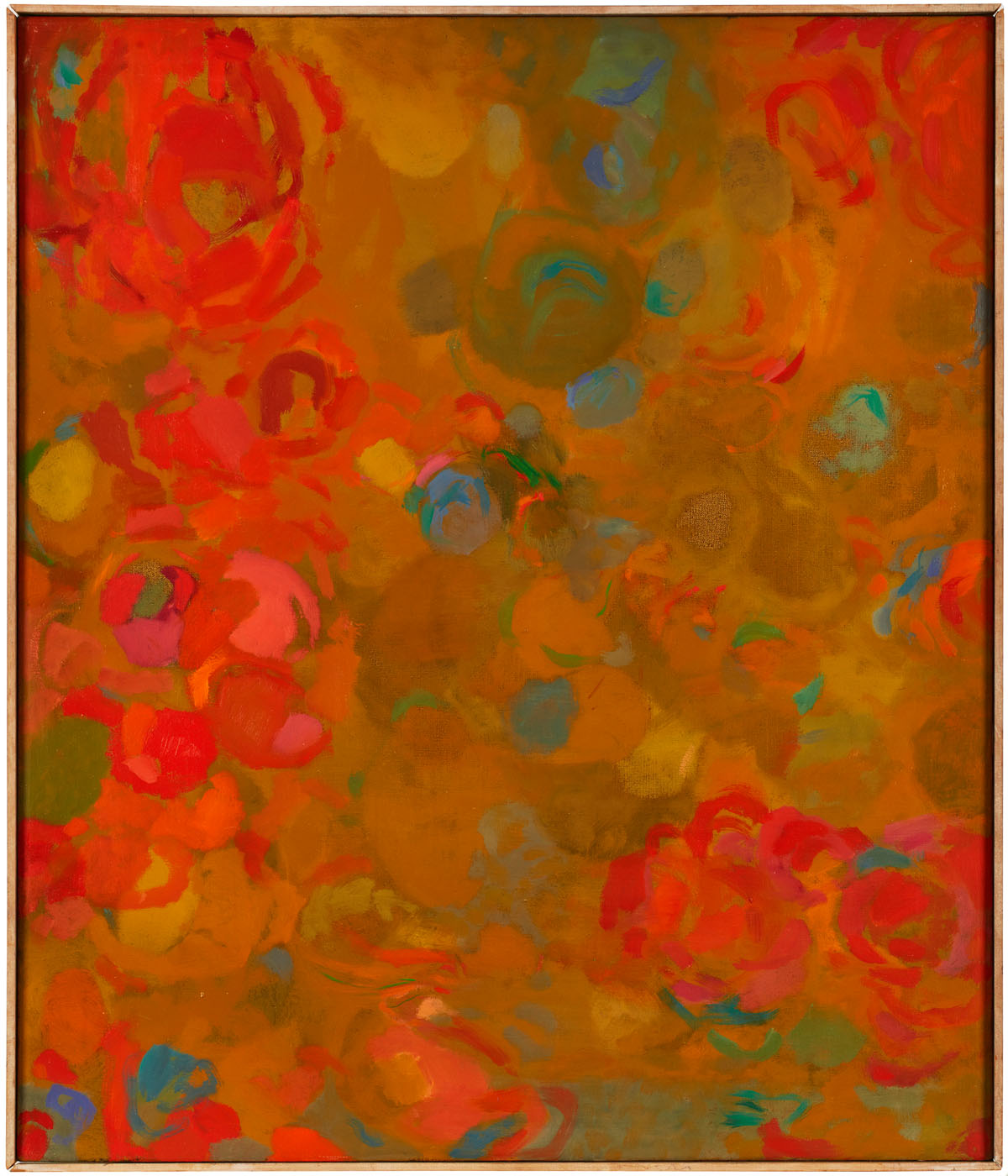


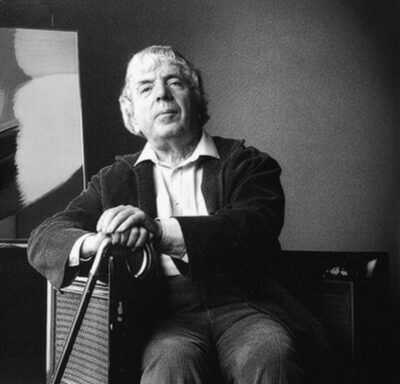
Oskar Kolb
(1923 Weiler-Simmerberg – 1998 Wiesbaden)
November 14, 1923: Born in Weiler Rehmen (Ratzenried, Allgäu)
Before 1945:Artistic Education in Wangen im Allgäu
After 1945: Master School of Painting, Reutlingen
1945: Marriage to Gerdi Lieglein
From 1949: Freelance artist in Wiesbaden
From 1954: Member of the „Künstlergruppe 50,“ Wiesbaden
1950s–1980s: Head of the Painting Department at the Wiesbaden School of Applied Arts
Professor in the Department of Design, Wiesbaden University of Applied Sciences (RheinMain University of Applied Sciences)
1981–1990s: Head of Art Appreciation Department, Free Art School Wiesbaden
September 24, 1998:Died in Wiesbaden
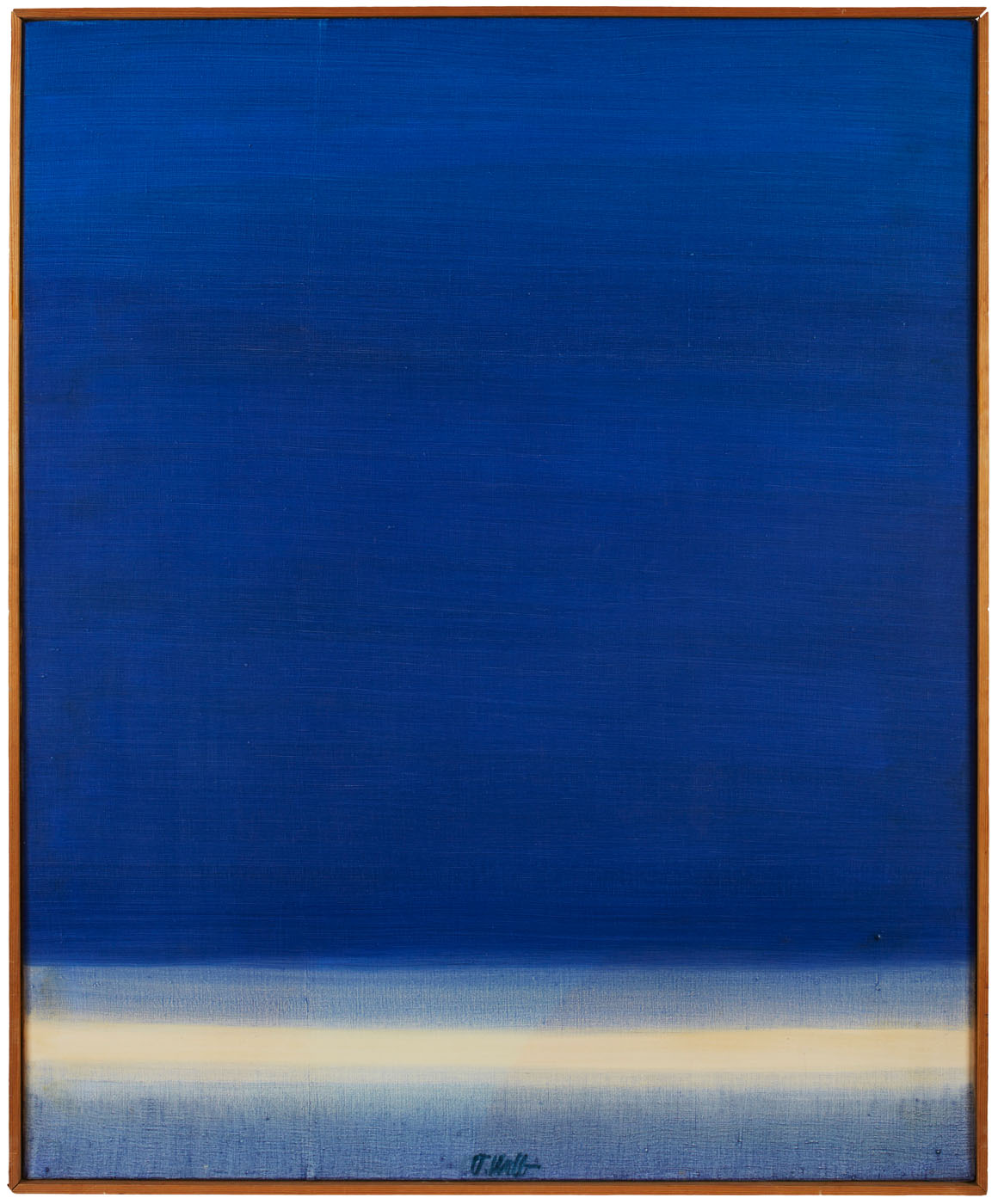
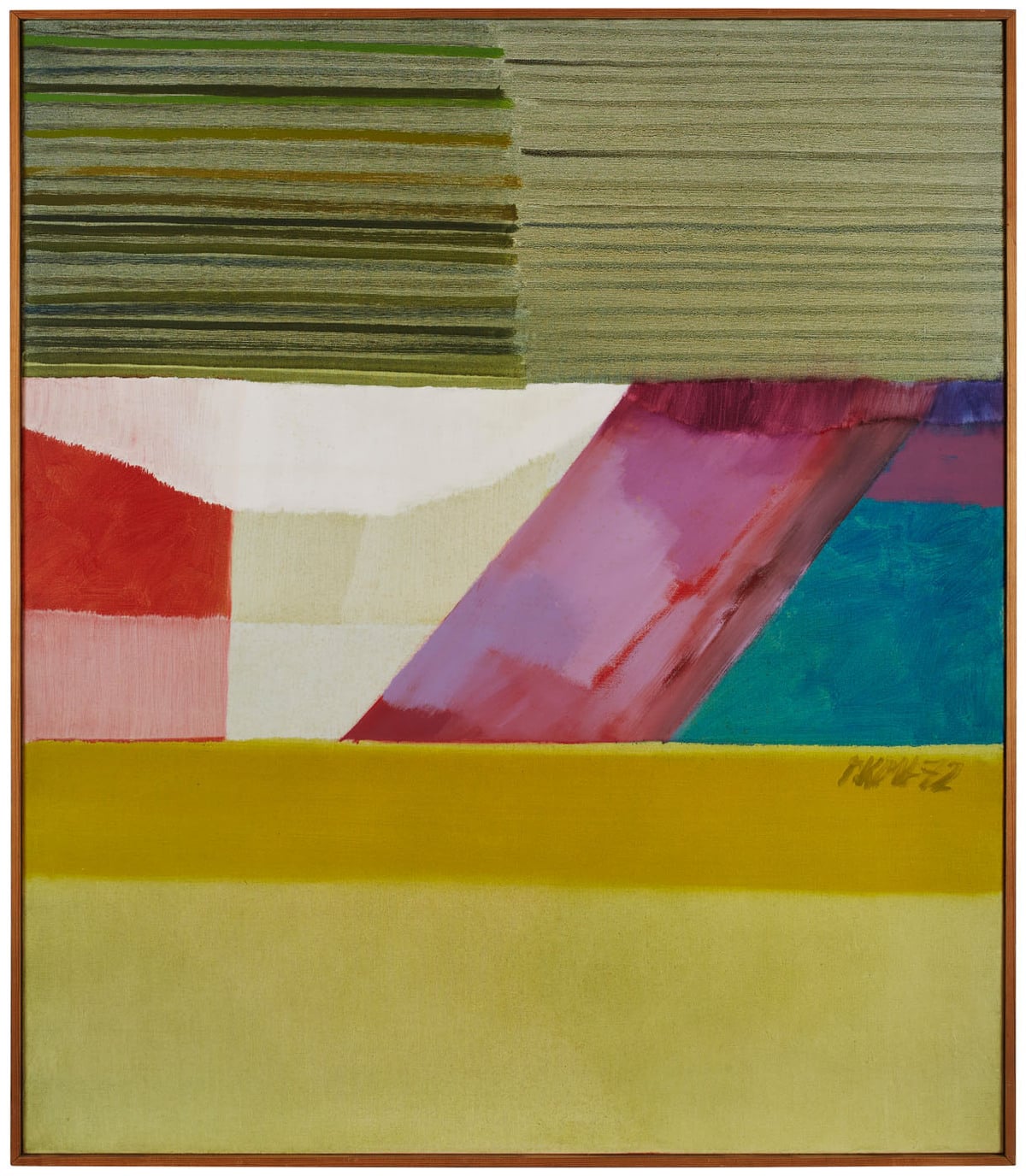
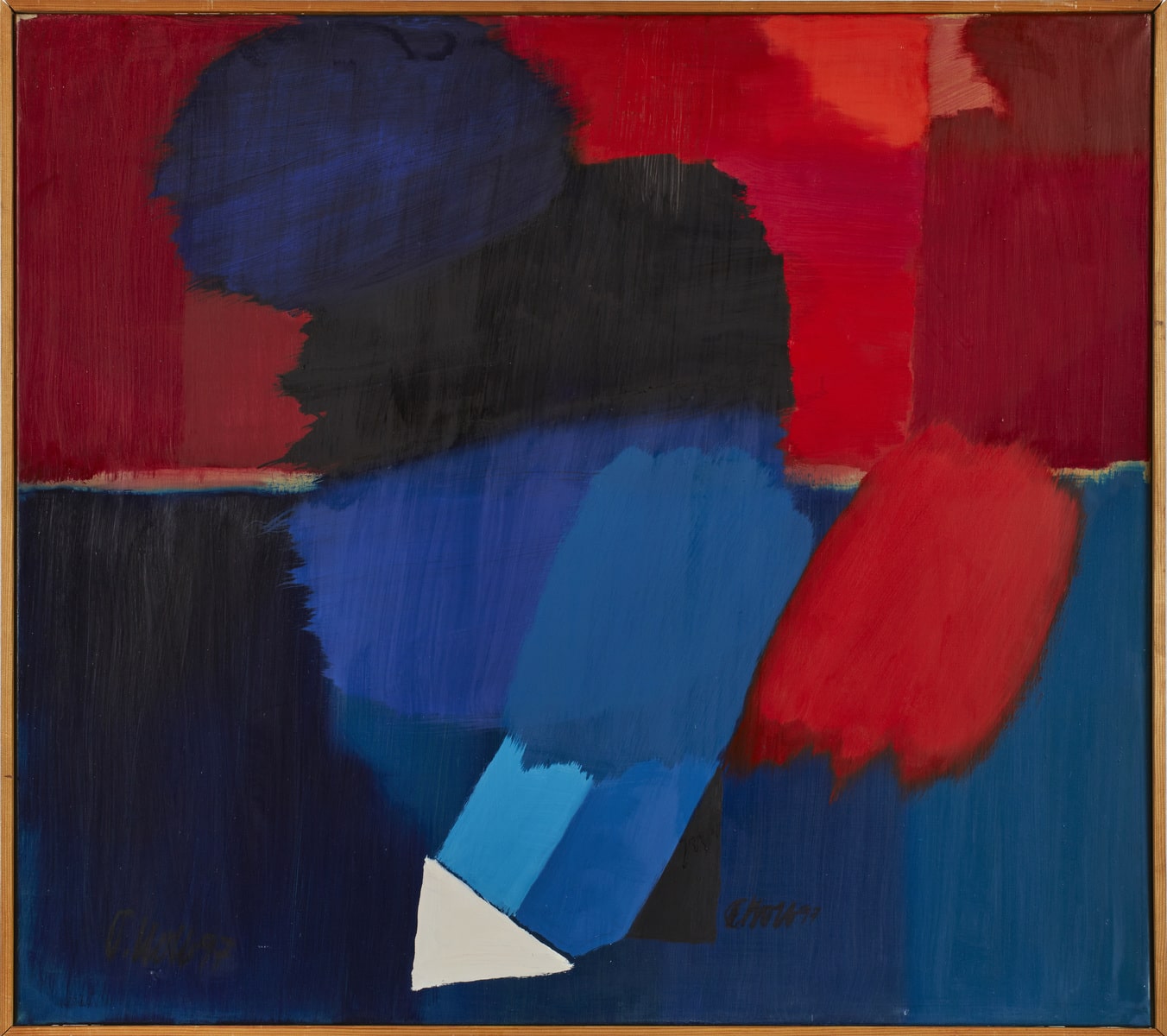
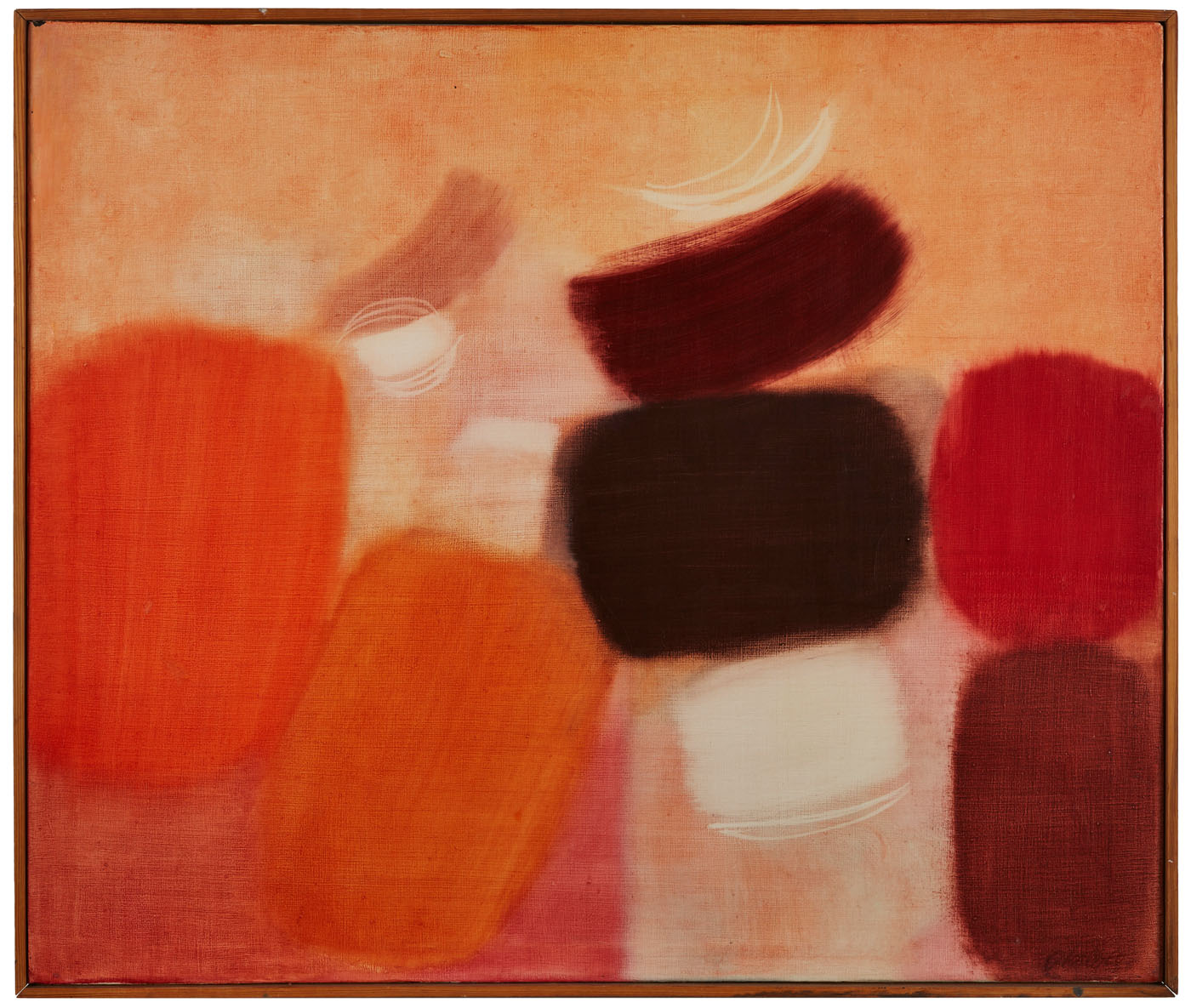
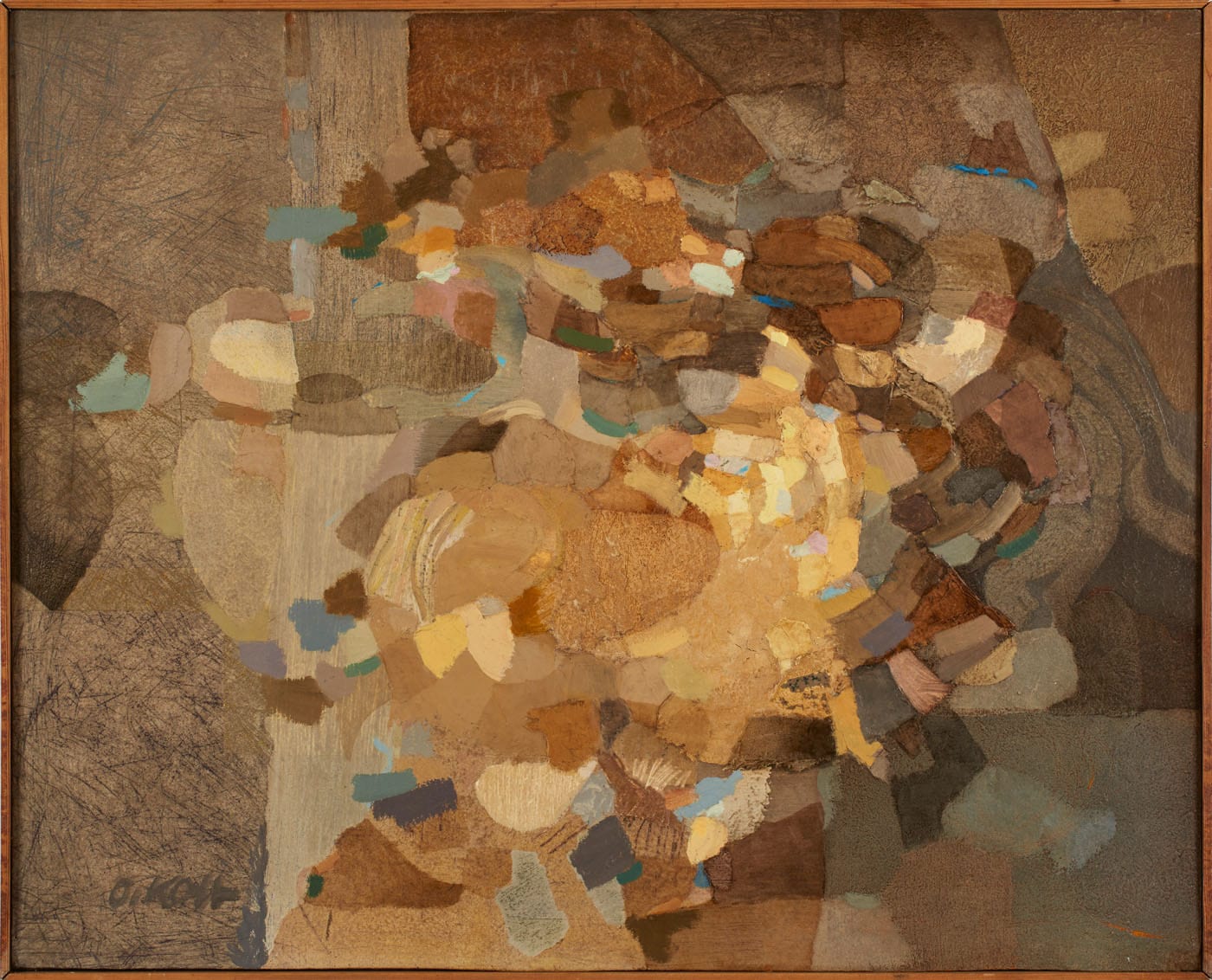
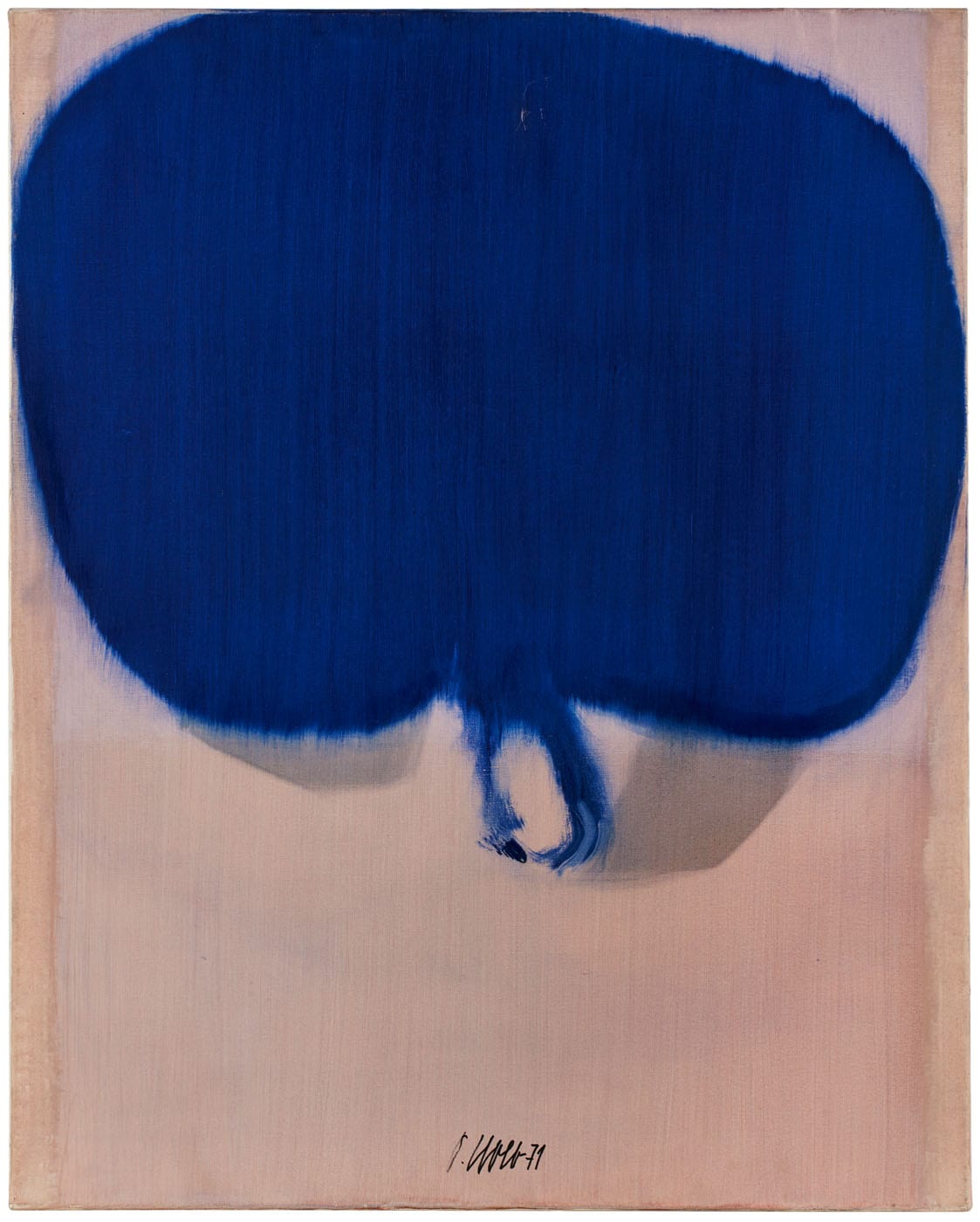
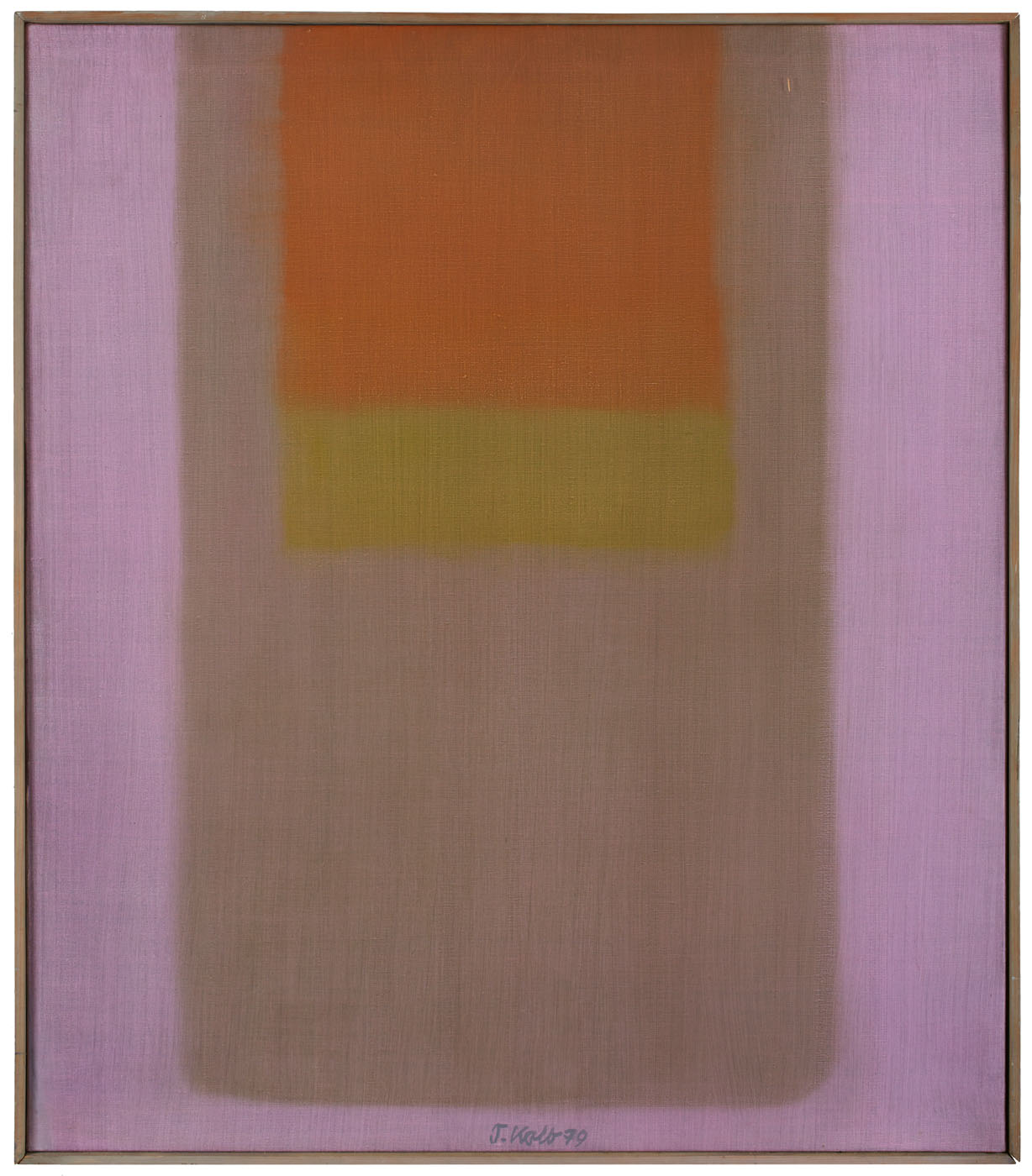
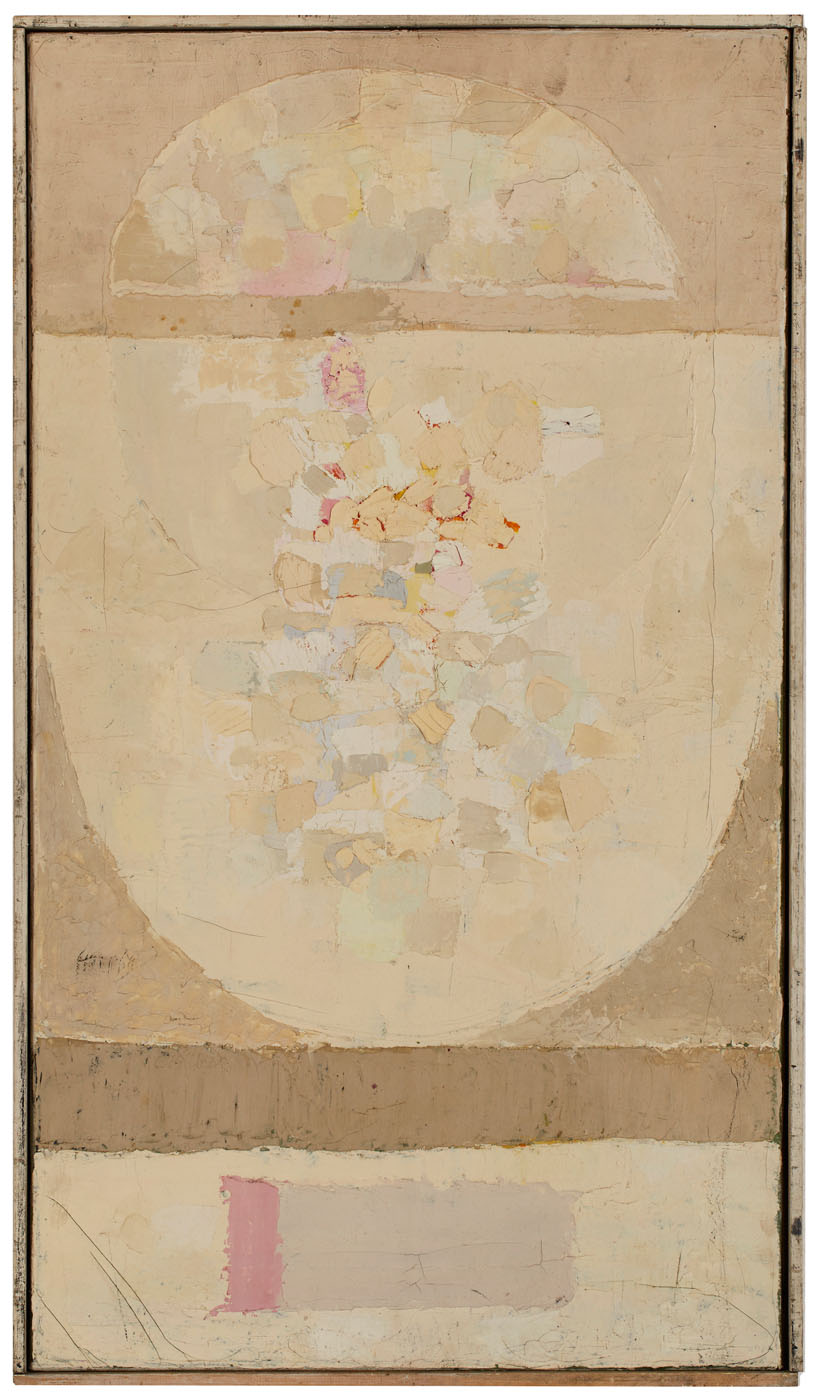
Oskar Kolb is considered one of the defining figures of post-war German abstraction. With his participation in the historic Parisian „Biennale 57“ (Young Painting – Young Sculpture) at the Palais de Marsan (Louvre), his work already connected with the European post-war avant-garde in the 1950s. Kolb significantly shaped the Rhine-Main art scene for decades and was the first visual artist, in 1984, to receive the Wiesbaden State Capital Cultural Prize Excellent.
As a painter, graphic artist, and influential university educator, he carried out the transition from representational tradition to the radical concepts of abstraction with rare consistency: Kolb's early work from the second half of the 1940s is still characterized by an intense engagement with landscapes, interiors, and still lifes. Stylistically, these early works oscillate between Impressionism and Expressionism and show formal references to the work of Carl Schuch recognize. However, a progressive abstraction of the representational began as early as the early 1950s.
This was followed by a strictly constructive phase, in which Kolb architecturally built up his compositions, working with geometric shapes, precise lines, and defined planes. This geometric rigor eventually led to a lyrical-abstract and informal phase that defines Kolb's mature late work. Here, color was completely freed from its representational function: permeated by the art theories Adolf Hölzel and the Lessons of the Bauhaus, Kolb created complex, large-format pictorial compositions. His works are characterized by rhythms, surface structures, and musical analogies, which is not least evident in his process titles such as Allegro maestoso becomes visible. The late work balances between sensitive color gradations in the watercolors and full-bodied hues, sometimes dark and meditative, sometimes intensely luminous, on canvas and other image carriers.
In addition to his independent artistic work, Kolb was an influential disseminator of modern art theory. After training as a painter with O. Briegel in Wangen im Allgäu (church painting and restoration), military service, and attendance at the Reutlingen Master School of Painting, his path led him permanently to Wiesbaden. At the local Werkkunstschule, he advanced from a student in the evening courses to an assistant to Vincent Weber and finally to the head of the painting department. After the institution was transferred to the Fachhochschule Wiesbaden in 1971, Kolb taught there until 1980 as Professor in the Department of Design. From 1981 to the 1990s, he also headed the Art Appreciation Department at the Wiesbaden Free Art School (wfk).
Kolb's understanding of space, harmony, and measure led to numerous realizations in landscape design and art in architecture from the 1950s onward:
1957: Collaboration with Vincent Weber on the stained glass windows of the Friedrich-List-School, Wiesbaden.
1960: Mosaic work in the entrance area of the Oranienschule gymnasium.
1963: Facade design (symbolizing the Pythagorean theorem) for the Adalbert-Stifter-School.
1969: Picturesque design of a learning and play wall at the Comenius School.
Kolb's supra-regional significance is reflected in his early involvement in international exhibition formats. As early as 1954, he joined the renowned „Künstlergruppe 50“ (Artists' Group 50). Educational trips to France, Italy, and Russia broadened his artistic horizons. An early highlight of his international reception was his participation in the historic „Biennale 57“ (Young Painting – Young Sculpturein the Palais de Marsan Louvre in Paris in the year 1957.
With his works, Kolb is now represented in numerous private and public collections, including in the City Gallery in the Lenbachhaus Munich as in the Artothek Wiesbaden, who acquired works by the artist over a period of three decades.
His work was honored posthumously by major retrospectives, including in Nassau Art Association Wiesbaden (1999/2000), as part of a special exhibition of Artothek Wiesbaden (2008) as well as in the comprehensive retrospective „Sound of the Spirit“ at the Wiesbaden Free Art School in the year 2013.
The Hanna Bekker vom Rath Gallery represents the artist Oskar Kolb and regularly exhibits his works in shows such as KABINETTSTÜCKE 2025 with works by Doro Koidl, Oskar Kolb, Robert Klümpen, Ernst Weil, and others.
Exhibitions (selection)
From 1954: Regular group exhibitions within the framework of Artists' Group 50 (Frankfurt, Wiesbaden, Allgäu)
1957: „Biennale 57 Paris, „Young Painting – Young Sculpture“ in the Palais de Marsan, Louvre
1999–2000: „Oskar Kolb / Retrospective,“ Nassauischer Kunstverein Wiesbaden (curated by Dr. Isolde Schmidt and Inge Naumann)
2013: „Major Retrospective for Oskar Kolb's 90th Birthday,“ Studios of the Wiesbaden Free Art School (wfk)
2025: Cabinet Pieces, Gallery Hanna Bekker vom Rath
Catalogs & Publications
Sound of the Spirit The Wiesbaden Free Art School presents the 50-year creative period of Oskar Kolb.
Exhibition catalog of the wfk (2013): A limited, comprehensive catalog was published for the retrospective of the Wiesbaden Free Art School. It includes all exhibits, a biography, a text by Michael Becker, as well as poems and a historical address by Oskar Kolb from 1986.
wfk Wiesbaden – Exhibition Archive
Monograph / Catalog „Oskar Kolb“: With texts by Oskar Kolb, Dr. Bruno Russ, and Dietrich Groos. Softcover, 8.3 x 8.3 inches, 32 pages, illustrated, published by Nassauischer Kunstverein Wiesbaden.
Nassau Art Association Wiesbaden – Publication
Artist Group 50 Represented in the various anniversary and overview catalogs of Artists' Group 50.
Online Links & Collections
Lenbachhaus Munich (Online Collection): Lenbachhaus Municipal Gallery – Oskar Kolb
WFK Wiesbaden Wiesbaden Free Art School – Documentation