
Peter Engel
Peter Engel
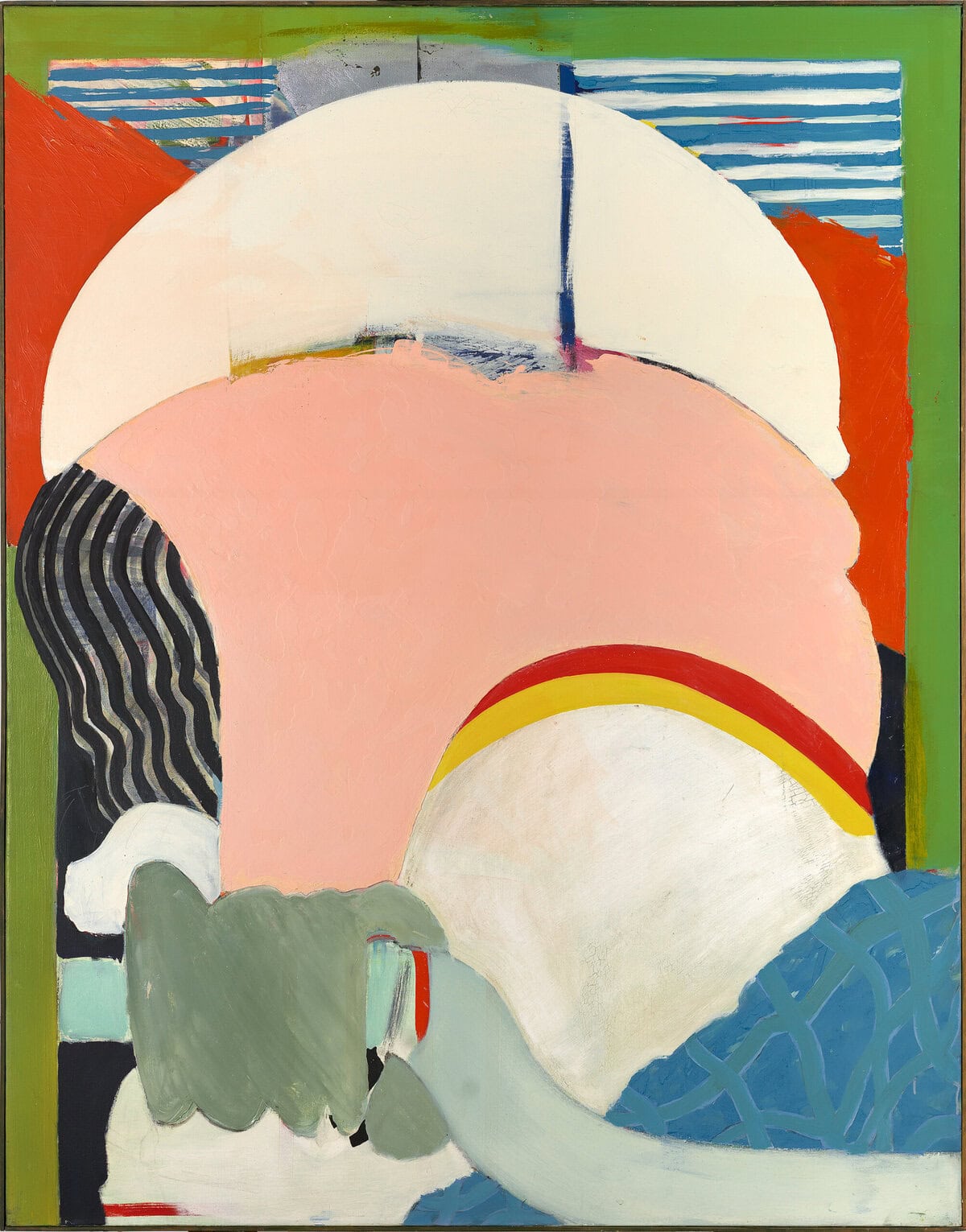
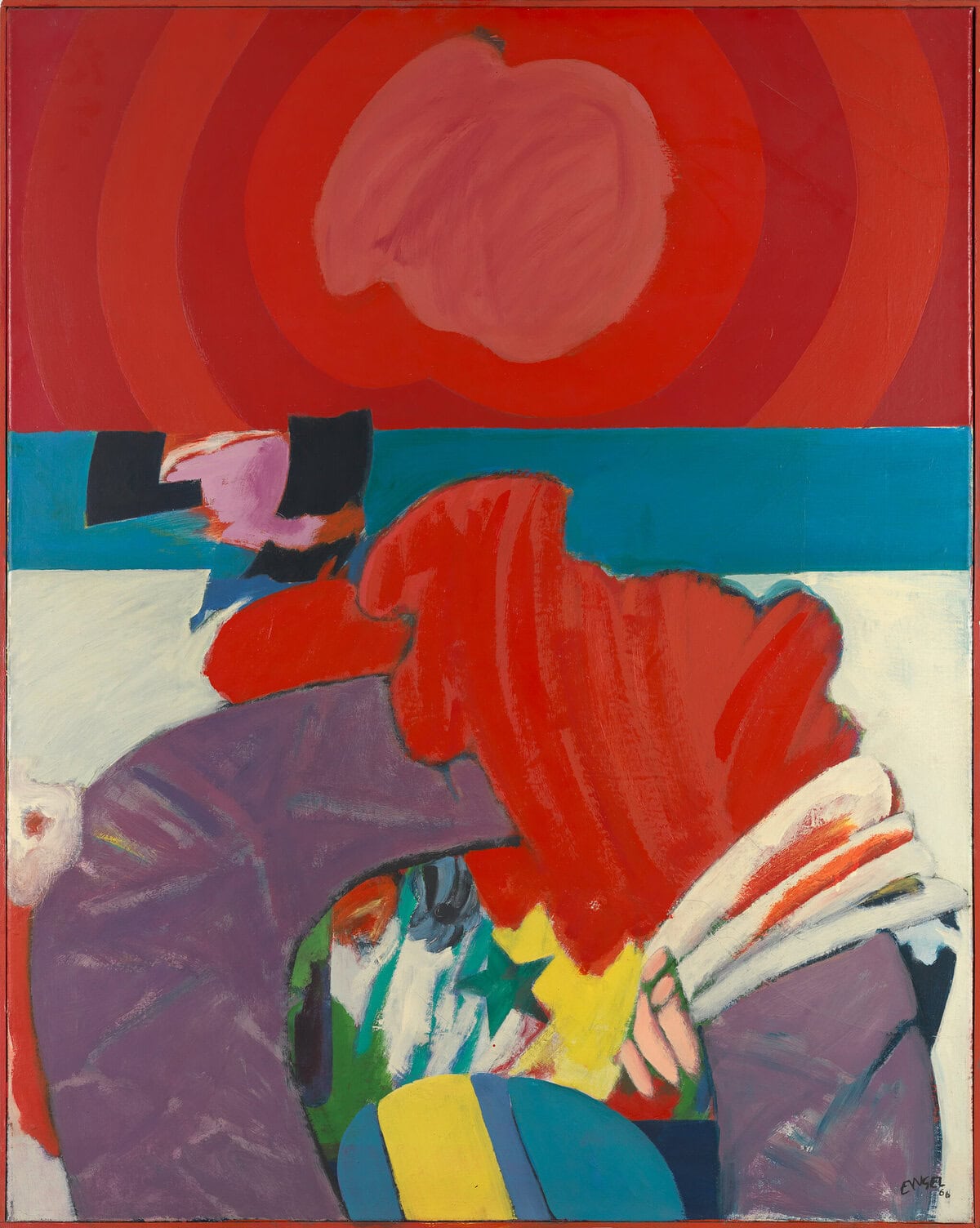
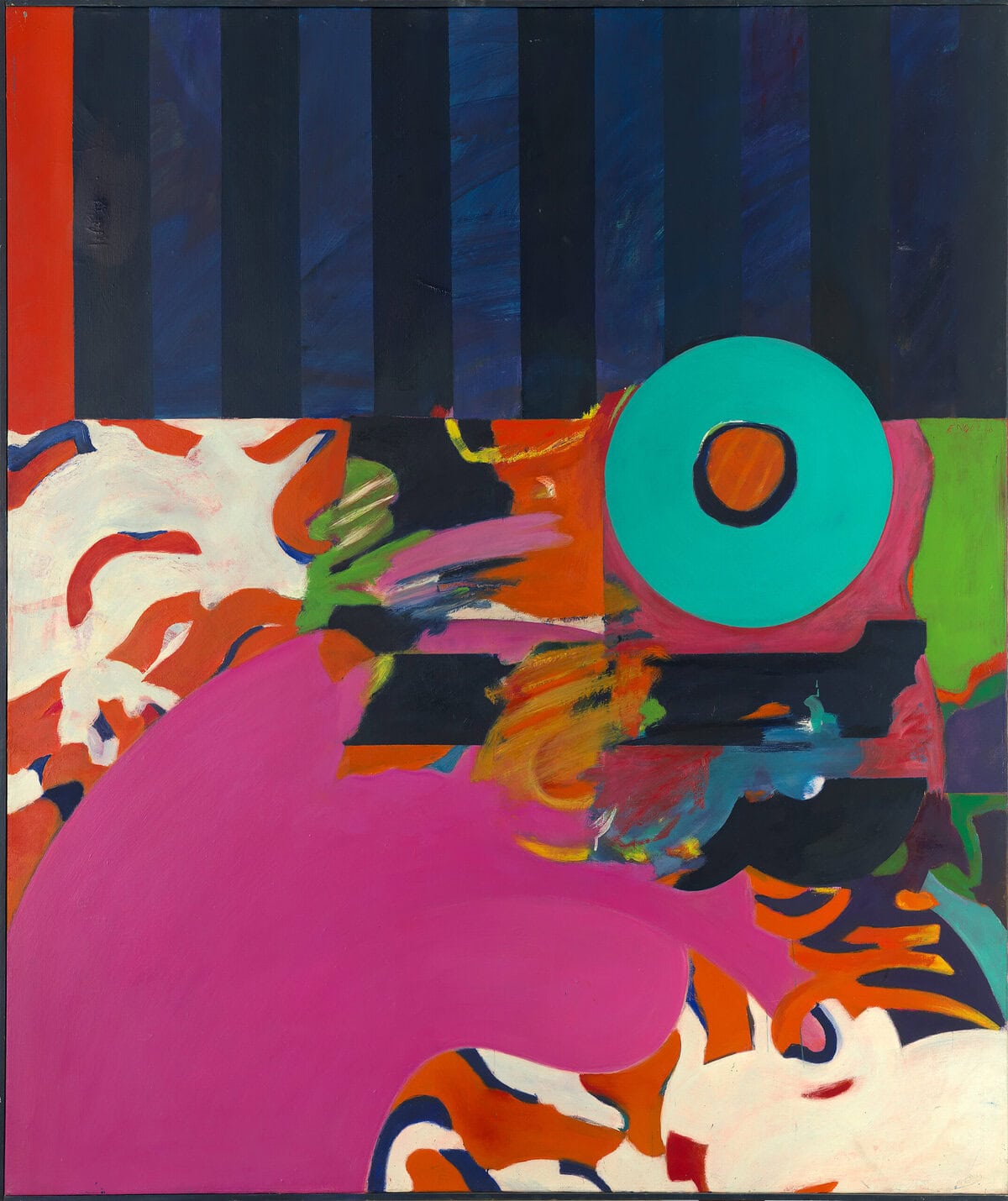
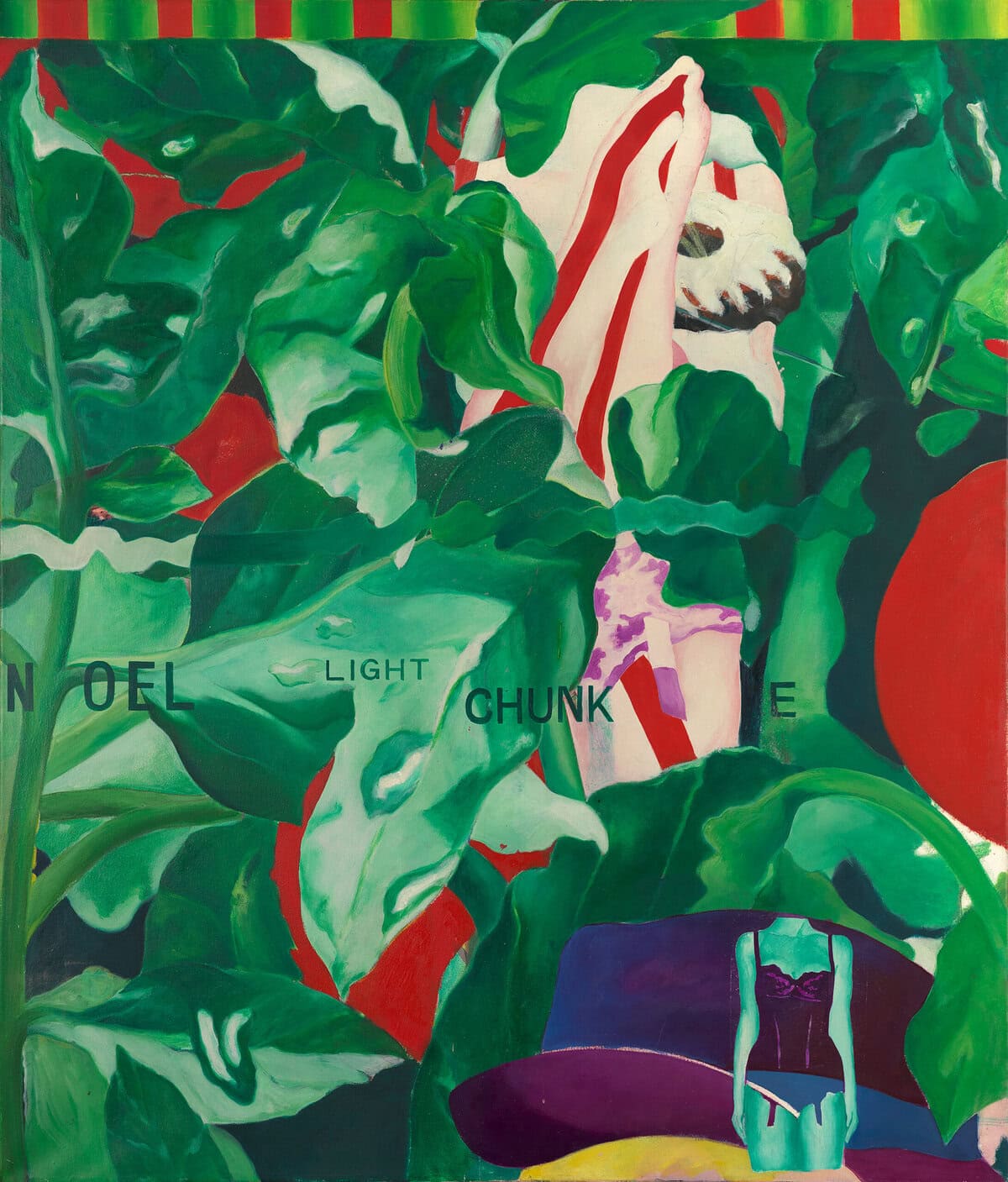
Peter Engel (1944-2014) studied under Johannes Schreiter at the Städelschule in Frankfurt from 1964 to 1967 and was a lecturer in painting techniques there for almost twenty years starting in 1974. In 1980, he took over the artistic direction of the Städelschule evening school. This solo exhibition focuses on the artist's early work, which combines figurative and abstract painting styles.
Born in Birstein in 1944, Peter Engel began, after an apprenticeship as an offset printer, with lessons in portrait and life drawing with former Beckmann student Walter Hergenhahn at the Städel evening school, which was then still located in Frankfurt's Westend. In 1964, Engel began his studies at the Städelschule under Johannes Schreiter. With the 34-year-old professor, who had been appointed to the college the previous year, the faculty at the Städelschule had been significantly rejuvenated. Schreiter granted the students freedom in their artistic work. Nevertheless, the academy was characterized by small classes and a lack of cosmopolitanism at that time.
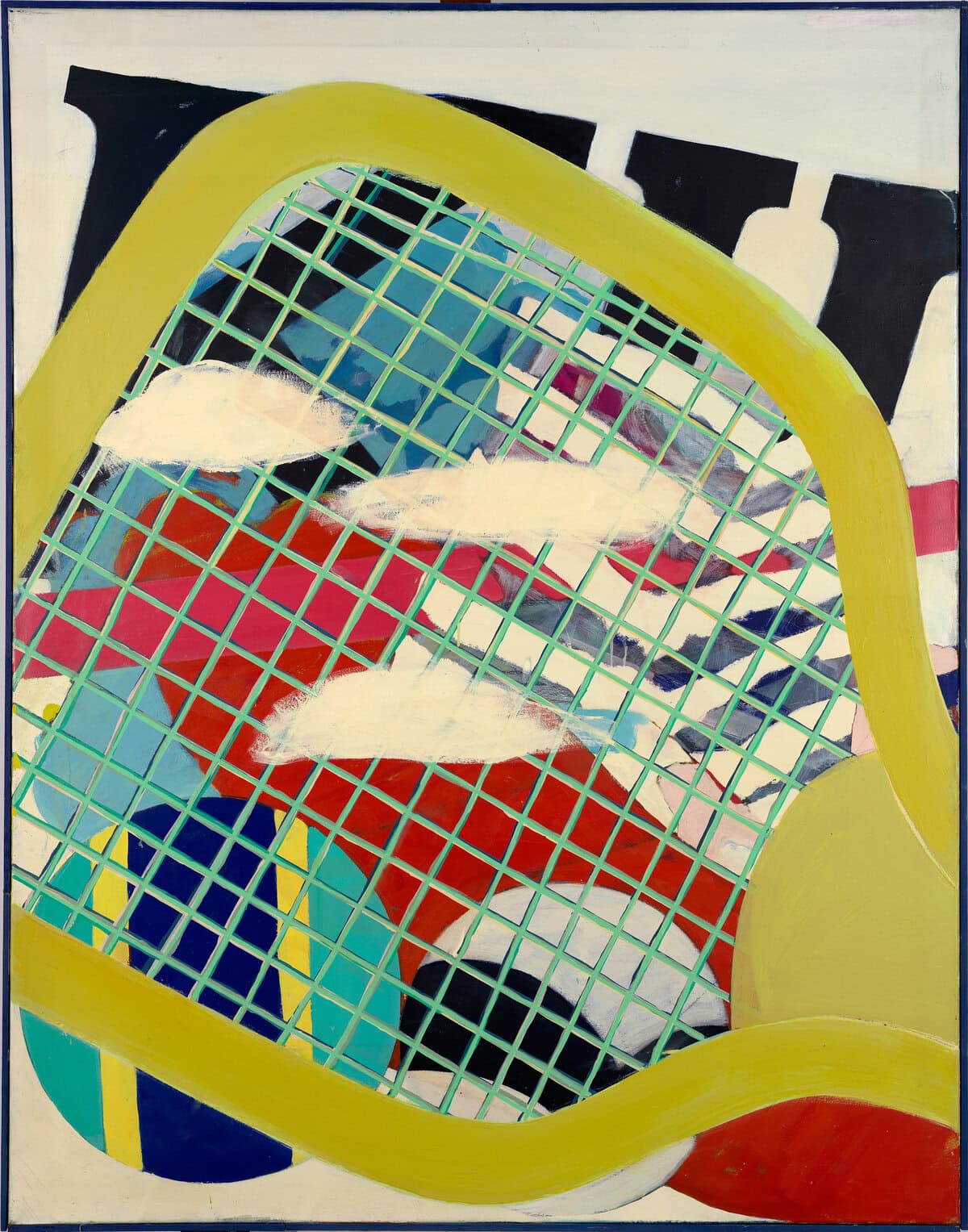
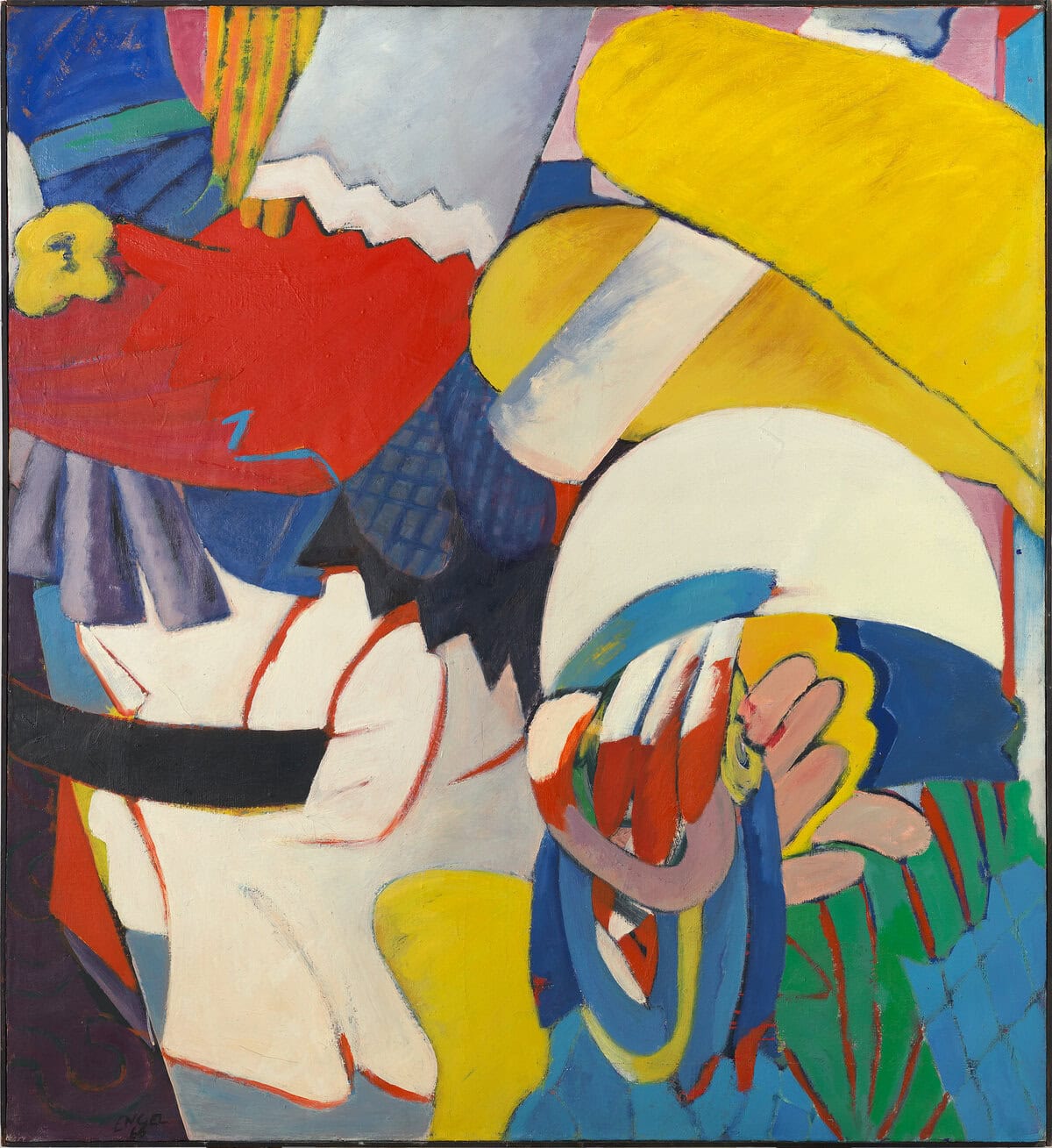
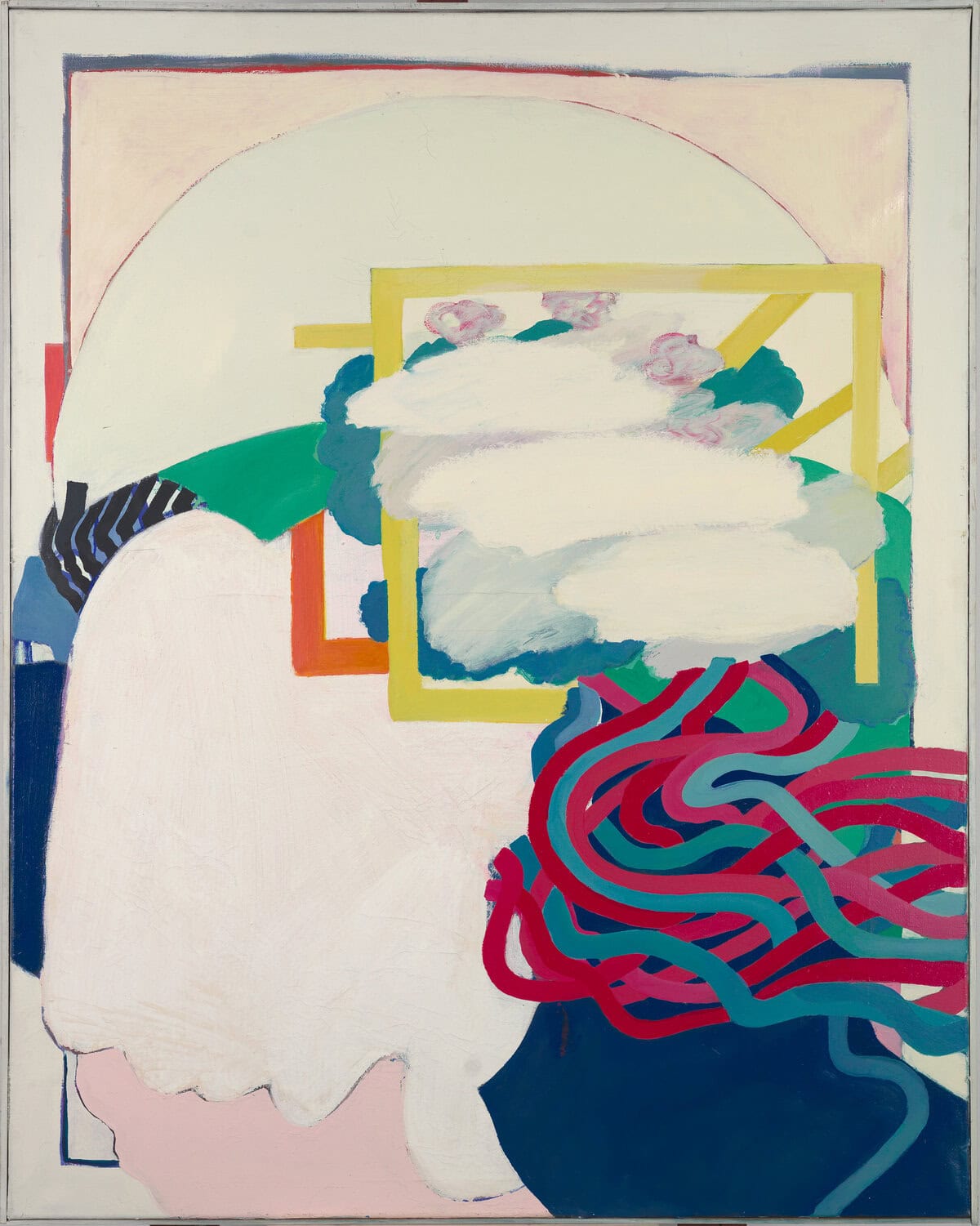
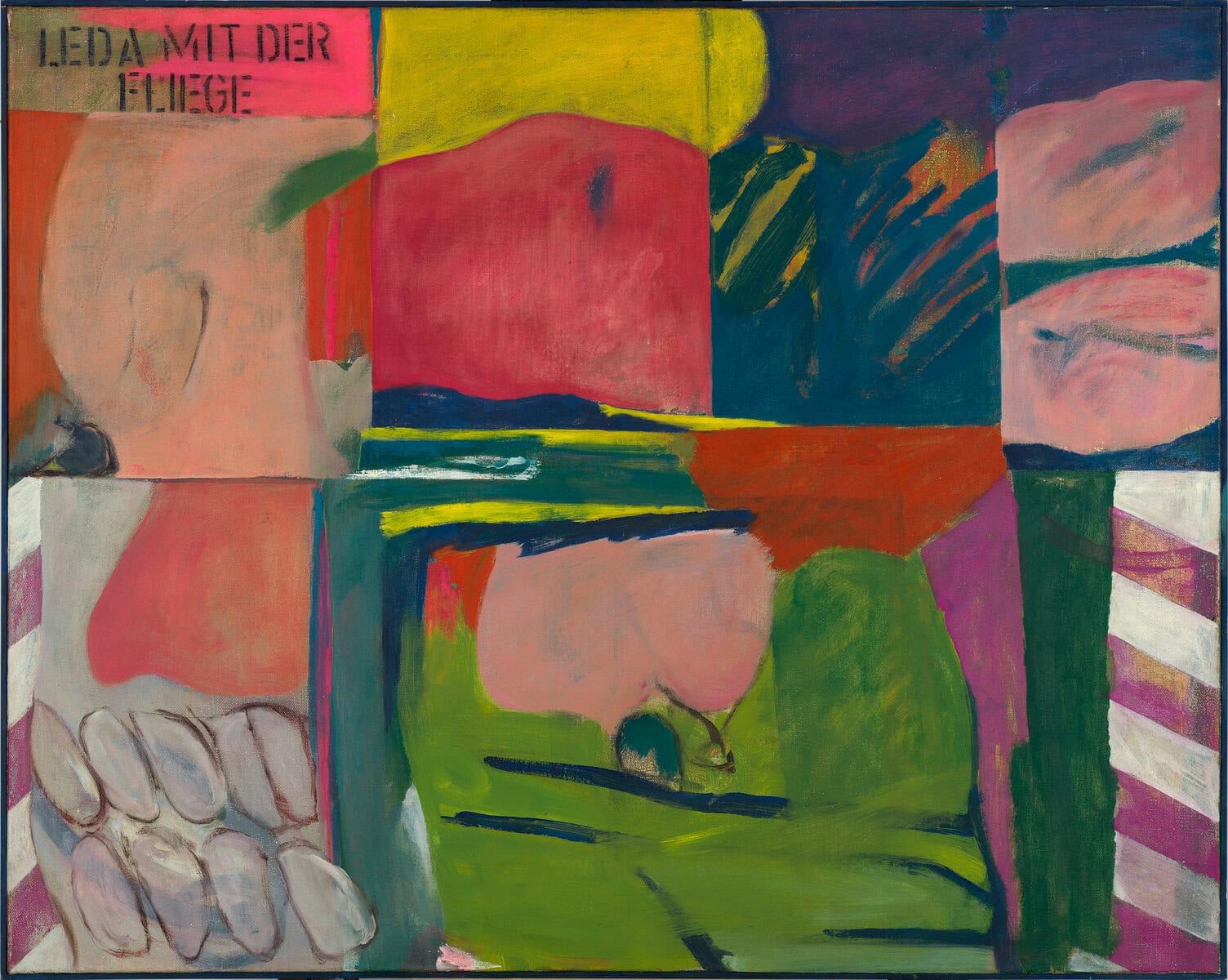
Peter Engel informed himself about the international art scene in the magazine „Das Kunstwerk,“ as recalled by Engel's long-time friend, artist Erich Werner, who is also represented by Galerie Hanna Bekker vom Rath. Engel's intense interest in modern US art, particularly in Robert Rauschenberg and Claes Oldenburg, is reflected in the early works shown by the gallery from around 1965 to 1967. They bear witness to the diverse inspirations processed with passion. Text fragments, allusions to Hard Edge Painting, as well as elements of Informal Art can be discovered in the paintings. A green circular form might reference Jasper Johns„ Target motifs, who, alongside Rauschenberg, is considered a pioneer of Pop Art. David Hockney was a “target figure" for Peter Engel, as Erich Werner remembers. Thus, in 1967, Engel traveled to Great Britain and got acquainted with the artist as well as Mark Lancaster. This stay in England led to a change in the artist's work. Everyday motifs such as tennis rackets and motorcycle handlebars point to this next phase of his work, in which Peter Engel turned to objects and thus to a consumer-critical Pop Art.